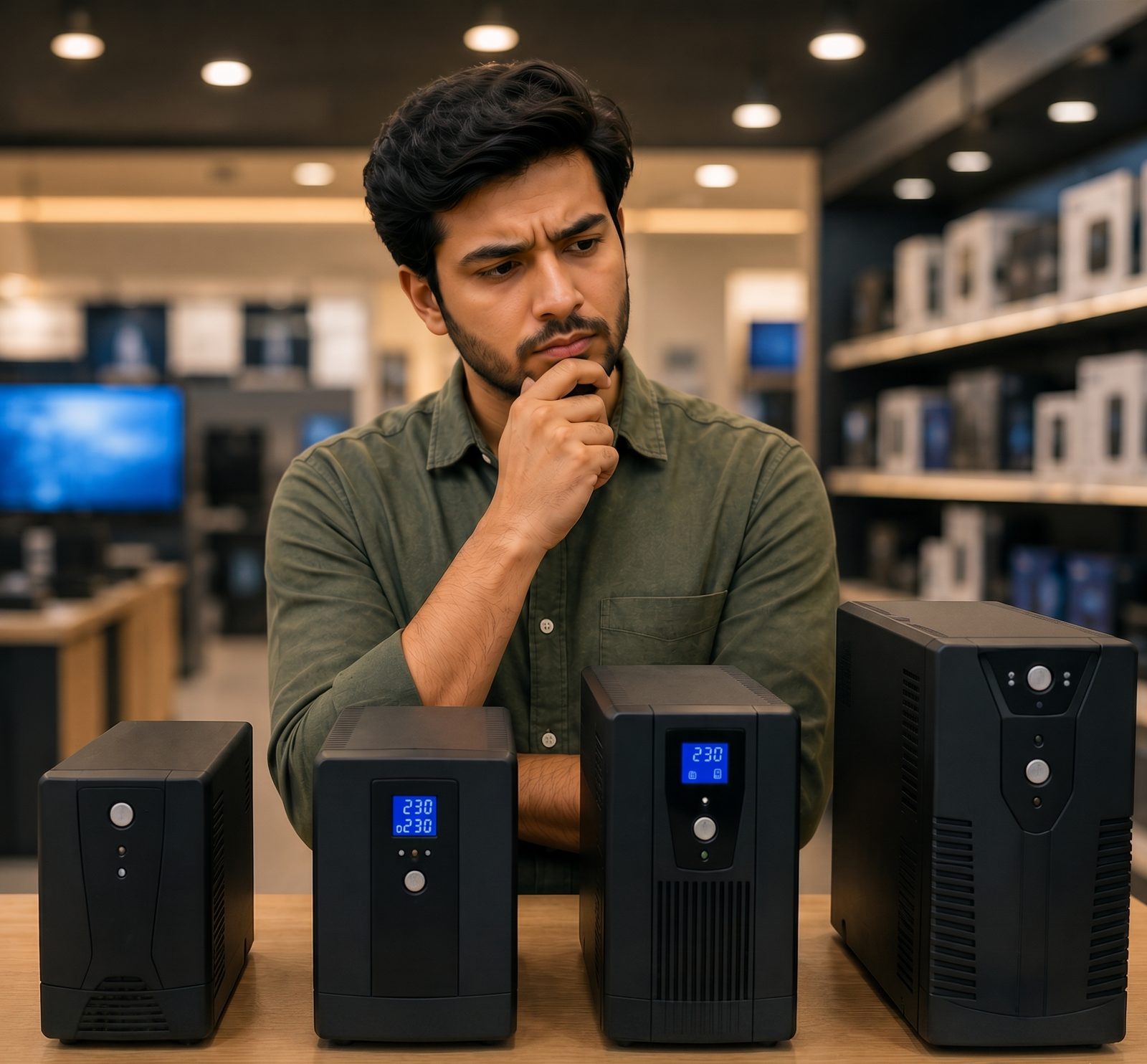
If you have ever searched for an Uninterruptible Power Supply (UPS), you have probably noticed something confusing: some UPS units are surprisingly cheap, while others cost several times more, even though they appear to serve the same purpose.
For many homeowners and business owners, this raises an important question: Why is there such a huge price difference in the UPS market?
The truth is, not all UPS systems are built the same. While most units may look similar from the outside, the technology, performance, reliability, and protection capabilities inside can vary significantly.
At Nupon Technology Phils. Corp., we help customers understand that choosing a UPS should never be based on price alone. A cheaper unit may save money initially, but it can also lead to poor performance, shorter lifespan, and insufficient protection for valuable equipment.
The Type of UPS Greatly Affects the Price
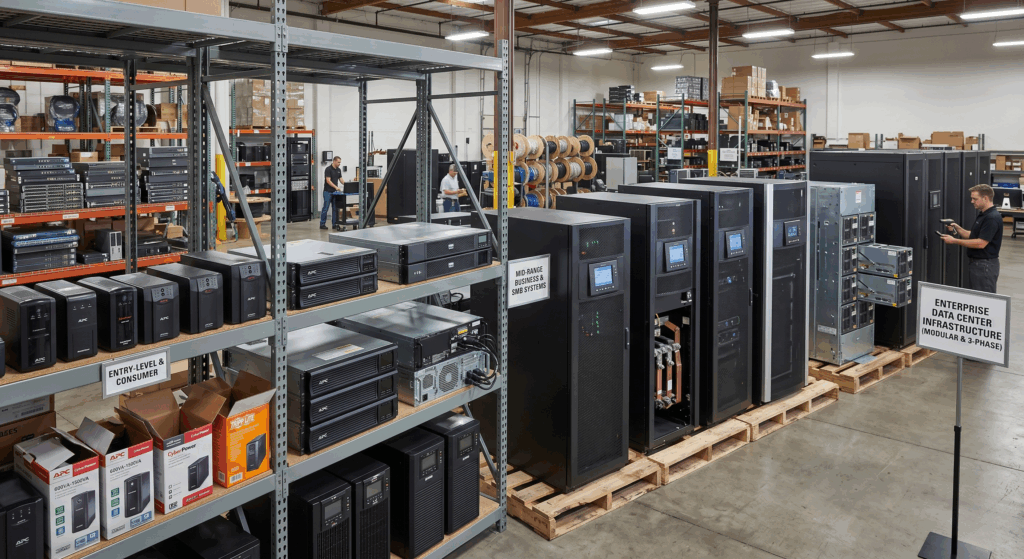
One of the biggest reasons for price differences is the UPS technology itself.
Basic standby UPS units are usually the most affordable because they are designed mainly for simple home electronics such as desktop computers and Wi-Fi routers. These systems provide basic backup power during outages but have limited voltage regulation features.
On the other hand, line-interactive and online UPS systems are more advanced. They offer better protection against voltage fluctuations, unstable power conditions, and sensitive equipment failures. Online UPS systems, in particular, continuously supply clean and stable power, making them ideal for servers, medical equipment, and critical business operations.
Because of their advanced design and higher performance capabilities, premium UPS systems naturally cost more.
Battery Quality Plays a Major Role
The battery is one of the most important components inside a UPS system. Higher-quality batteries provide longer backup time, faster charging, and better reliability during power interruptions.
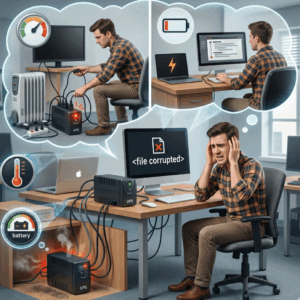
Low-cost UPS units often use smaller or lower-grade batteries that may deteriorate faster, especially in areas with frequent brownouts or high temperatures. This can result in shorter runtime and more frequent battery replacements.
Higher-end UPS systems typically use better battery technology and more durable internal components, allowing them to last longer and perform more consistently over time.
Pure Sine Wave vs. Simulated Sine Wave Output
Another major factor that affects UPS pricing is the type of power output.
Budget UPS units commonly use simulated sine wave output, which is acceptable for basic electronics. However, sensitive devices such as servers, gaming PCs, networking equipment, and high-performance workstations often require pure sine wave power for stable operation.
Pure sine wave UPS systems produce cleaner and more consistent electricity that closely matches utility power. This improves compatibility, efficiency, and equipment protection, especially during power transitions.
Since pure sine wave technology is more advanced, these UPS systems are generally more expensive than entry-level models.
Build Quality and Internal Components Matter
Two UPS units may have similar power ratings, but their internal quality can be completely different.
Cheaper models are often designed for light and occasional use. They may use lower-cost components, minimal cooling systems, and limited protection features. While they can still provide backup power, their lifespan and reliability may be lower under demanding conditions.
Higher-end UPS systems are engineered with industrial-grade components, better cooling mechanisms, stronger circuit protection, and more efficient power management systems. These features improve durability and reduce the risk of failure during long-term operation.
In many cases, the higher price reflects better engineering and long-term reliability.
Backup Runtime Also Affects Cost
UPS systems with longer backup time naturally cost more because they require larger or additional batteries.
Some users only need enough backup power to safely shut down a computer during an outage. Others may need their equipment to continue operating for several minutes or even hours.
The longer the required runtime, the larger the battery capacity needed. This directly increases the size, weight, and price of the UPS system.
Smart Features Increase Value
Modern UPS systems now come with advanced monitoring and management features that were previously available only in enterprise-level equipment.
Some premium UPS models include:
- LCD monitoring displays
- Remote monitoring capabilities
- Automatic shutdown software
- Network management support
- Energy efficiency controls
- Real-time diagnostics
These features improve system management, especially for businesses that rely heavily on stable power protection.
The Cheapest UPS Is Not Always the Most Affordable
Many buyers focus only on the initial purchase price without considering long-term costs.
A low-cost UPS that fails frequently or requires repeated battery replacements may ultimately become more expensive over time. In contrast, a reliable UPS with better efficiency and durability can provide years of dependable protection with fewer maintenance issues.
That’s why Nupon Technology Phils. Corp. helps homeowners and businesses find UPS solutions that match their actual power requirements and budget. Choosing the right UPS is not simply about finding the lowest price — it is about protecting your equipment, data, and daily operations from unexpected power problems.