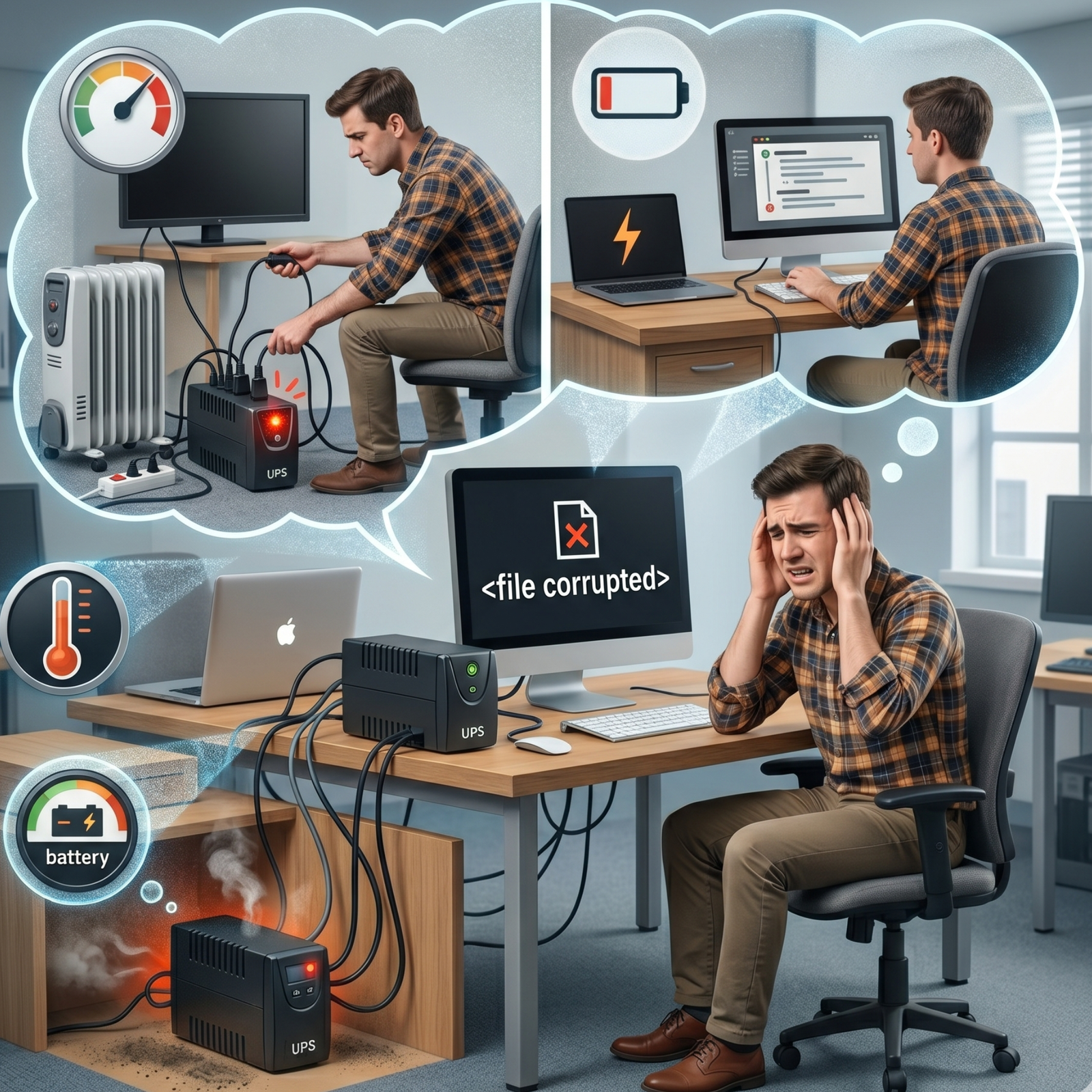
A UPS or Uninterruptible Power Supply is one of the most important devices for protecting electronics from sudden power interruptions, voltage fluctuations, and unexpected shutdowns. Whether it is used at home, in offices, or for business operations, a UPS helps keep critical devices running safely during power problems.
However, many users still make costly mistakes when choosing and using a UPS. Some buy the wrong type of unit, while others unknowingly misuse their UPS systems in ways that reduce performance and shorten battery life.
At Nupon Technology Phils. Corp., we often encounter customers who experience UPS issues simply because of improper selection or usage. Understanding these common mistakes can help you maximize the lifespan of your UPS and ensure better protection for your equipment.
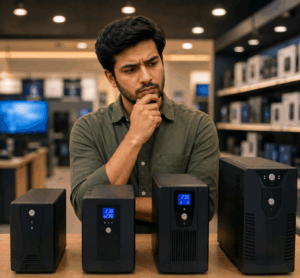
Choosing a UPS Based Only on Price
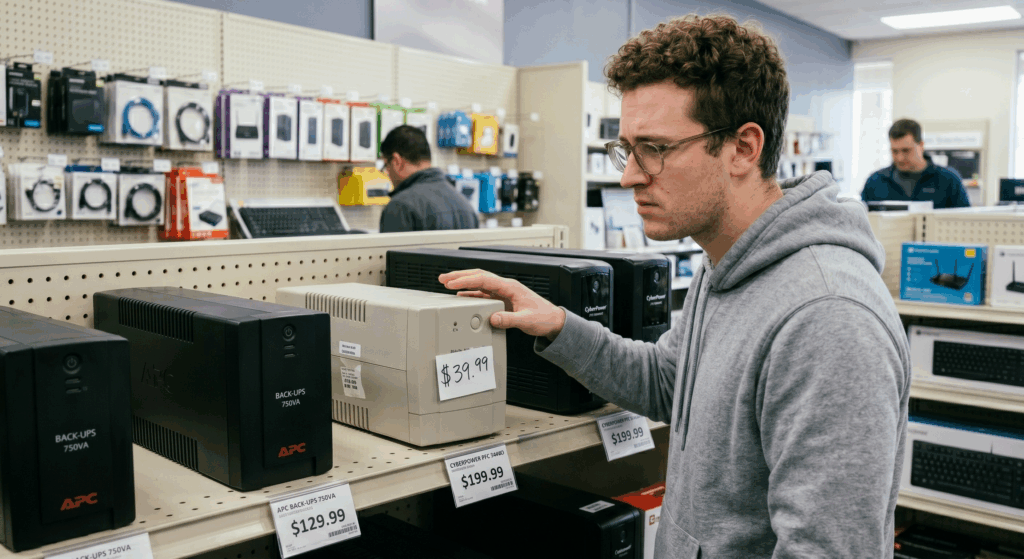
One of the biggest mistakes buyers make is focusing only on the cheapest option available.
Many low-cost UPS units may look attractive at first, but not all systems provide the same level of protection and reliability. Cheaper models often have limited backup capacity, lower-quality batteries, and fewer protection features.
While a budget UPS may work for simple applications, it may not be suitable for sensitive electronics, business equipment, or systems that require stable and continuous power.
Instead of choosing based on price alone, it is important to consider the actual power requirements, runtime needs, and reliability of the UPS system.
Buying the Wrong UPS Capacity

Another common mistake is selecting a UPS with insufficient capacity.
Many users underestimate the total power consumption of their devices. As a result, the UPS becomes overloaded, causing frequent alarms, unstable performance, or sudden shutdowns during power interruptions.
A UPS that is too small may only provide a few seconds of backup time or fail completely during outages.
Before purchasing a UPS, it is important to calculate the total wattage of all connected devices. This helps ensure that the UPS can safely handle the required load while still providing adequate backup time.
Plugging High-Power Appliances into a UPS
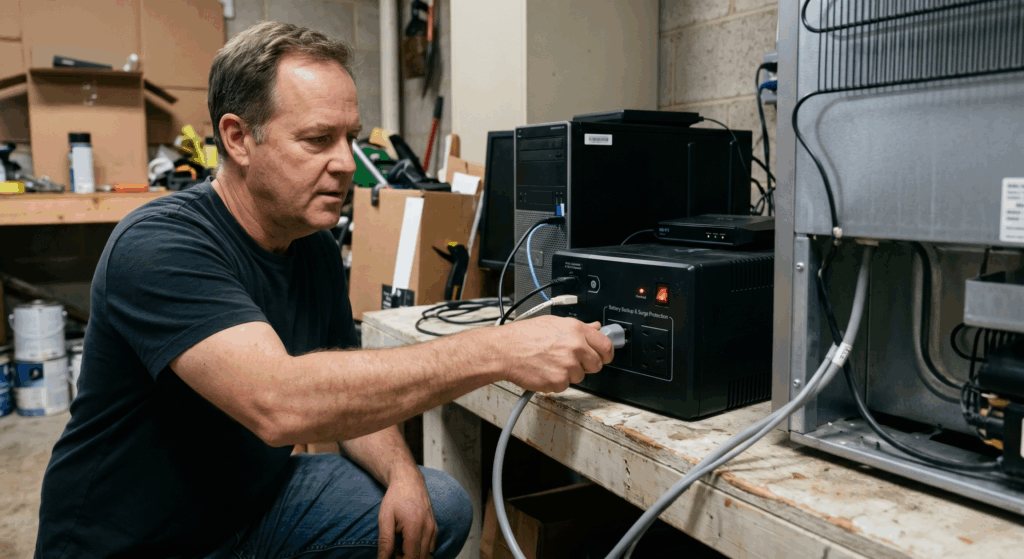
A UPS is designed mainly for sensitive electronics, not heavy appliances.
Some homeowners mistakenly connect devices such as refrigerators, microwave ovens, printers, or air conditioners to a standard home UPS. These appliances consume high amounts of power and can overload the system almost instantly.
Most home UPS units are intended for:
- Desktop computers
- Wi-Fi routers
- Modems
- CCTV systems
- Small monitors
- Networking devices
Using a UPS beyond its intended capacity can damage both the UPS and the connected equipment.
Ignoring Battery Maintenance
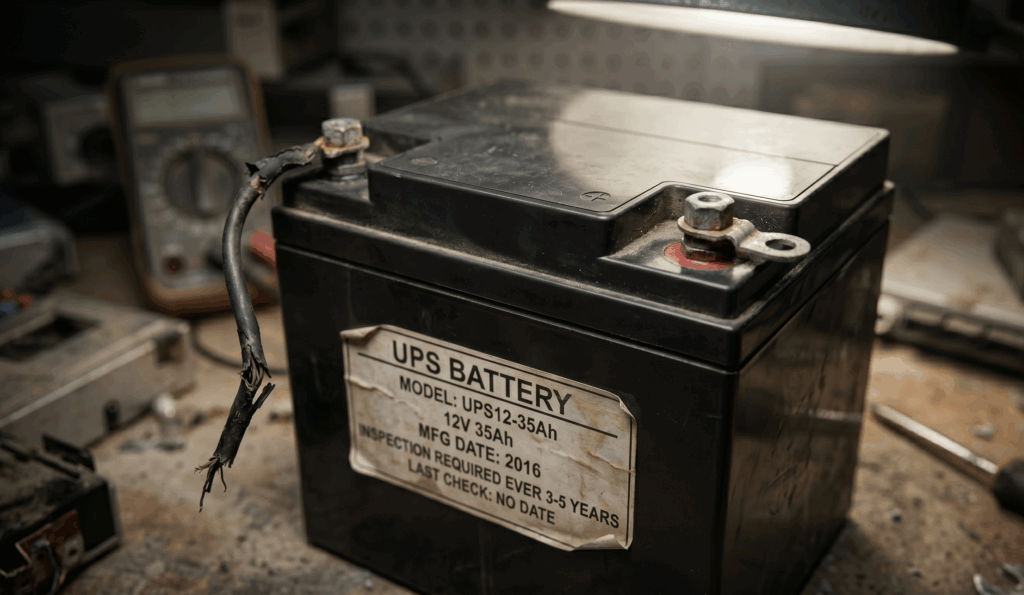
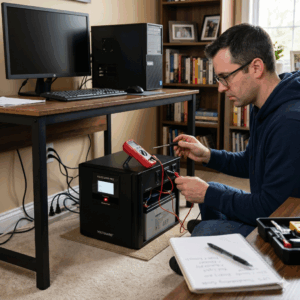
UPS batteries do not last forever, yet many users forget that batteries require regular maintenance and eventual replacement.
Over time, UPS batteries naturally lose their ability to hold a charge. In areas with frequent brownouts or unstable power conditions, battery wear can happen even faster.
Ignoring battery replacement can lead to:
- Short backup time
- Unexpected shutdowns
- Constant warning alarms
- Complete UPS failure during outages
Regular inspection and timely battery replacement are essential for reliable UPS performance.
Placing the UPS in Poor Ventilation Areas
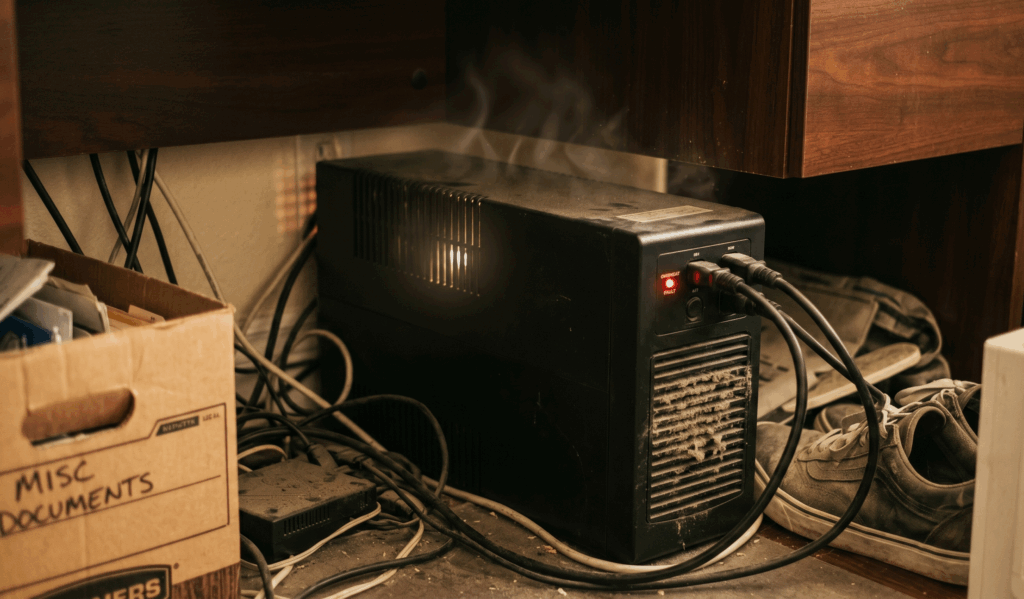
Heat is one of the most common causes of UPS problems.
Some users place their UPS inside enclosed cabinets, under desks with poor airflow, or near heat-generating appliances. This causes the unit to overheat, reducing battery lifespan and increasing the risk of internal component failure.
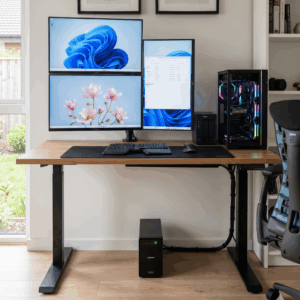
A UPS should always be installed in a cool, dry, and well-ventilated area. Proper airflow helps maintain stable operation and improves overall longevity.
Choosing the Wrong Type of UPS
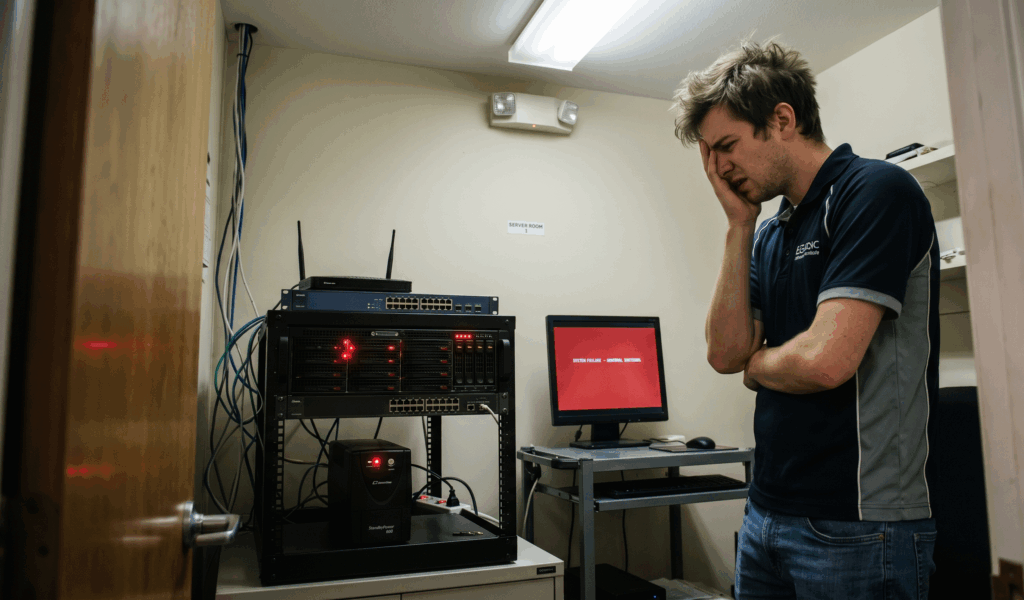
Not all UPS systems are designed for the same application.
Some users purchase a basic standby UPS for equipment that actually requires higher-level protection. While standby UPS systems are suitable for simple home use, more sensitive systems may require line-interactive or online UPS technology.
For example:
- Home computers and routers may work well with standby UPS systems
- Small offices and networking equipment often benefit from line-interactive UPS units
- Servers, medical equipment, and critical business systems usually require online UPS systems for continuous clean power
Choosing the wrong UPS type can lead to insufficient protection and unstable operation.
Ignoring Backup Runtime Requirements
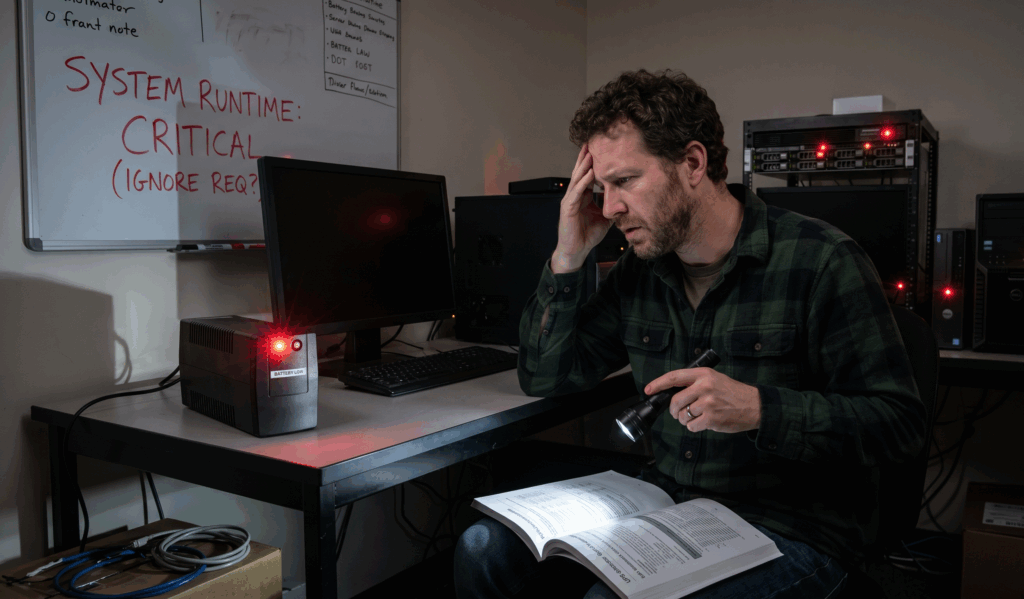
Many buyers assume all UPS systems provide the same amount of backup time, which is not true.
Some UPS units are only designed to provide enough power for safe shutdown procedures, while others are built for extended operation during long outages.
Failing to consider runtime requirements can create serious problems during blackouts, especially for businesses that rely on continuous operation.
Understanding how long your equipment needs to stay powered during outages is an important part of choosing the right UPS.
Overlooking Future Expansion
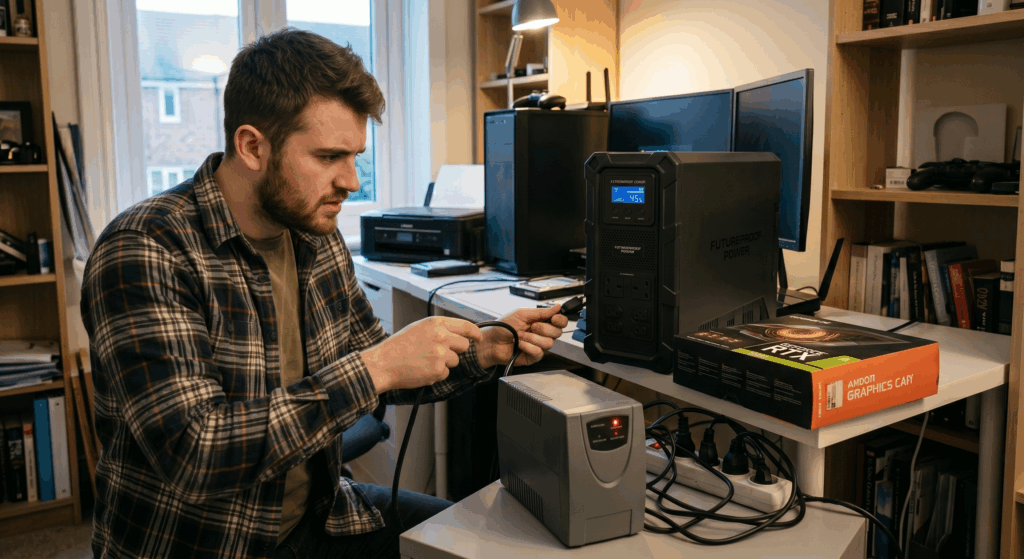
Another common mistake is buying a UPS that only supports current equipment without considering future upgrades.
As more devices are added later, the UPS may no longer have enough capacity to support the increased load. This can result in overload conditions and reduced backup performance.
Choosing a UPS with extra capacity provides better flexibility for future expansion and long-term use.
Neglecting Professional Consultation
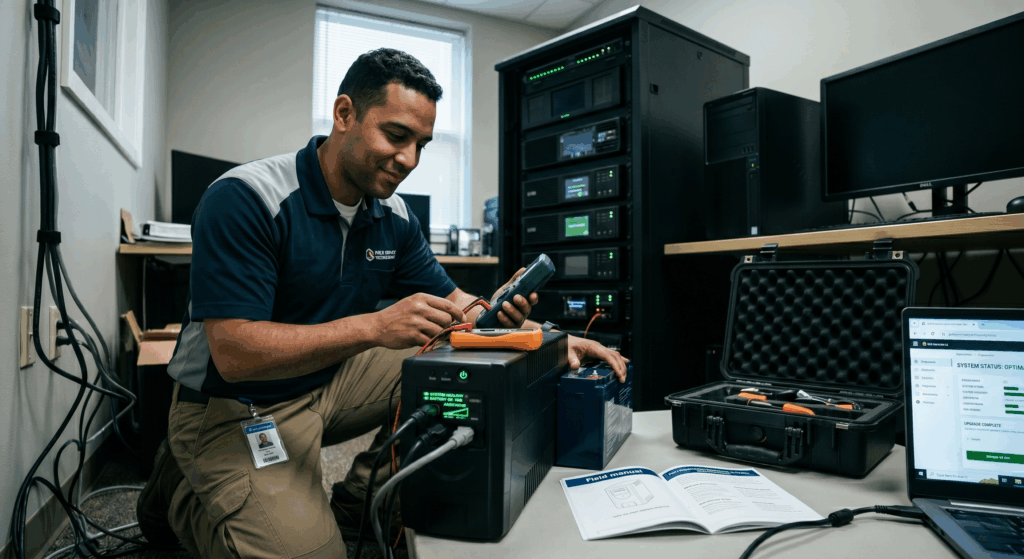
Many people purchase UPS systems without seeking proper technical advice. While online specifications may appear straightforward, selecting the right UPS involves more than just checking the wattage rating.
Factors such as:
- Voltage conditions
- Battery runtime
- Equipment sensitivity
- Surge protection
- Scalability
- Installation environment
…all play a role in determining the ideal UPS solution.
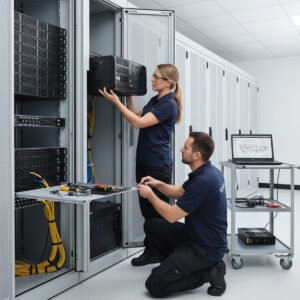
At Nupon Technology Phils. Corp., we provide professional UPS consultation, installation, battery replacement, and power protection solutions tailored to different applications and industries across the Philippines.